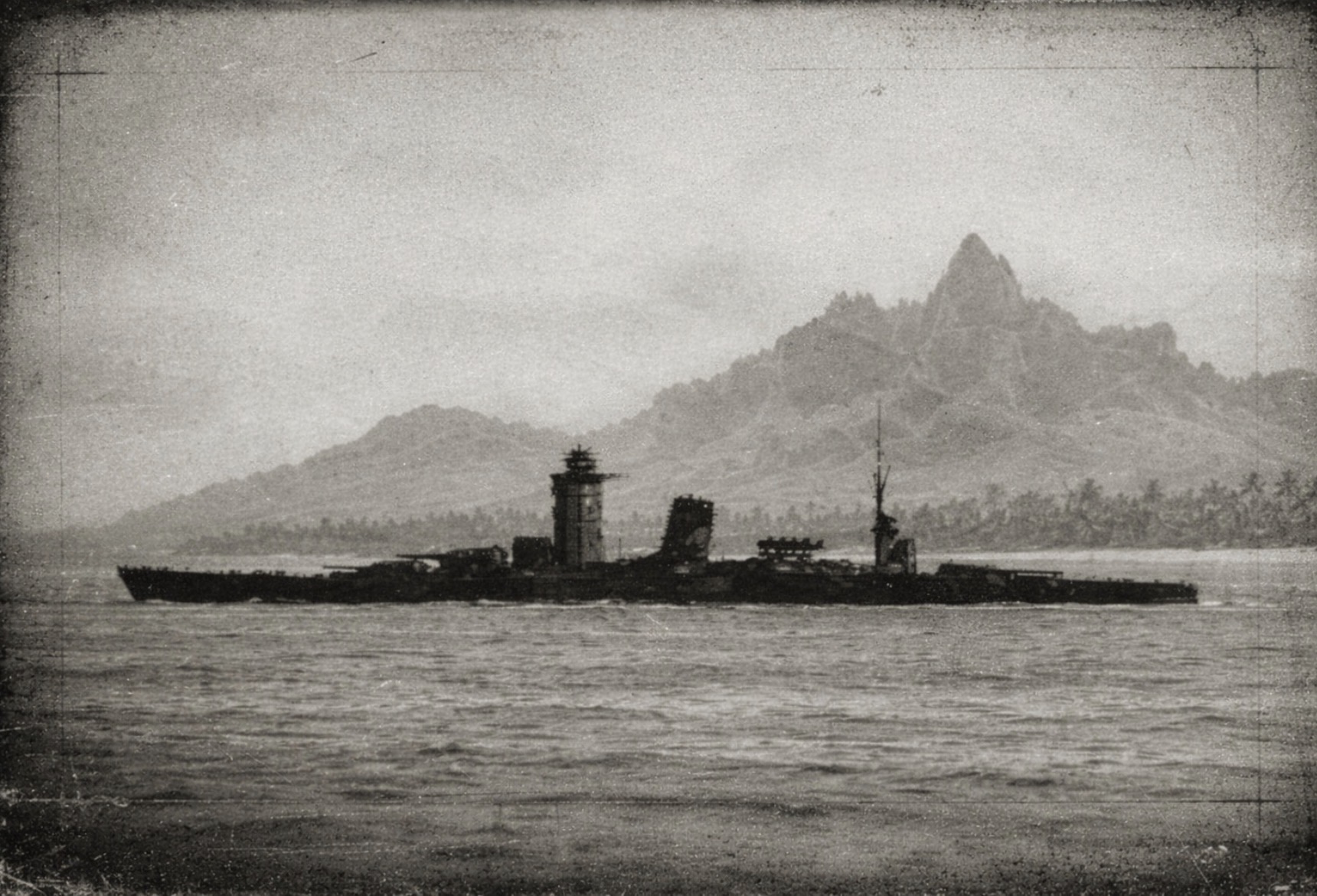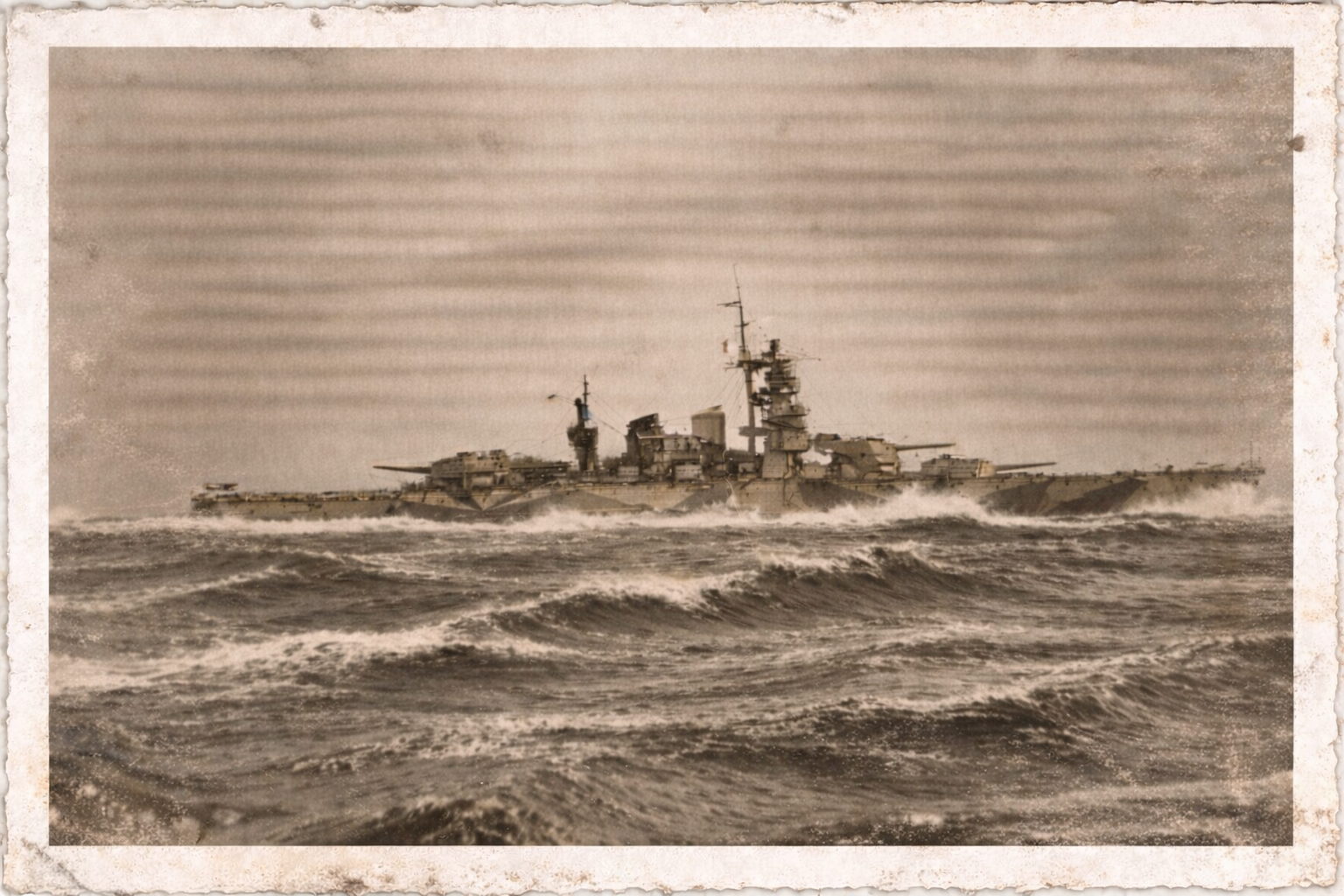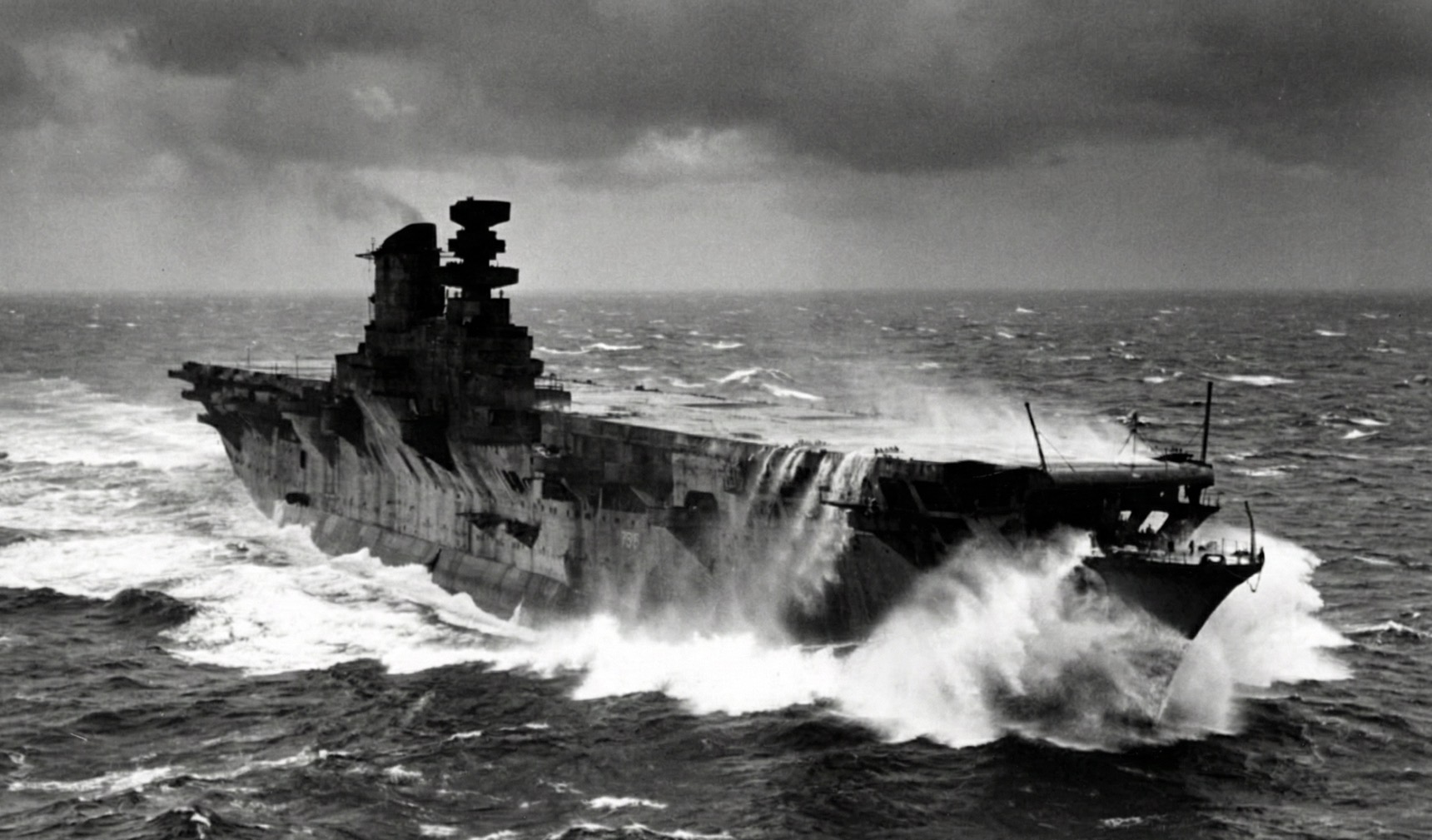
Portaerei Falco labours through a heavy swell around off the Horn of Africa on her maiden visit to Somalia Italiana. Bound for Mogadishu, and supported by battleship Impero, cruisers Pola, Eugenio di Savoia, Paolo Emilio and Vipsanio Agrippa, and eight modern destroyers, it was the first major Italian deployment into the Indian Ocean and a cause for major concern for the Royal Navy.
The flotilla was tailed at a respectful distance by the Royal Navy minelayer Welshman.
A converted ocean liner formerly known as Augustus, Falco and her sister Aquila (formerly Roma) became Italy’s first two aircraft carriers after arduous conversions at Ansaldo in Genoa.
Both liners were completely gutted to allow replacement of the machinery and the addition of a hangar deck and workshops. Deep bulges were added to either side of the hull to improve stability, hull form and provide some element of torpedo defence.
The hull was also lengthened to take advantage of the increased power of the new machinery, and the bow flare increased to increase seaworthiness and provide additional space for air requirements.
The carrier’s new machinery was derived from that fitted to the Capitani Romani-class light cruisers, with each carrier receiving the equivalent of two cruiser sets, with an installed capacity of 151,000shp, enough to reach 30knots.
Initial plans had included a complex system of rails, elevators and catapults to move aircraft around the ship, experience and insight from the Kreigsmarine’s Graf Zeppelin and first to commission Aquila resulted in Falco commissioning with more conventional flight deck arrangements.
Much like Aquila however, her arrestor and recovery systems left a lot to be desired, although fitting of crash barriers improved the situation somewhat.
While Italy’s first through deck aircraft carriers provided opportunity for a burgeoning fleet air arm, their operating areas were beyond Mare Nostrum, with Supermarina wary of the lack of sea room to avoid both air and submarine attack, and Regia Aeronautica’s belief that aircraft carriers were not required for Italian air superiority in the Mediterranean. Compared to the Royal Navy’s Fleet Carriers the sisters were limited but reflective of the internal rivalries within the Italian military.
Italy’s first aircraft carrier built from the keel up: Leonardo Da Vinci, would commission as the European arms race reached its climax in 1949, with a design rooted in lessons learned from Aquila and Falco.